Fresh produce does not need “cold” in the abstract.
It needs the right temperature, humidity and handling conditions for the specific product.
For some crops, near-freezing storage is the best way to preserve freshness. But for many tropical fruits and vegetables, however, temperatures that are too low cause chilling injury, surface damage, poor ripening and subsequent fast decay.
Leafy vegetables, berries and fish benefit from cold storage close to 0°C. Mangoes, bananas, papayas, tomatoes and many other tropical products require gentle cooling, typically between 10°C and 15°C, to avoid chilling damage.
ecoCoolStore is designed to be configured for the crop, its maturity and the local route to market – helping preserve quality, reduce spoilage and give farmers more time to sell their produce at the right place and price.
Cooling Ranges

Fresh cold mode
0–4°C
Leafy vegetables, broccoli, carrots, mushrooms, berries, grapes, and under more stringent conditions: fish!
Mild harvest cooling
5–10°C
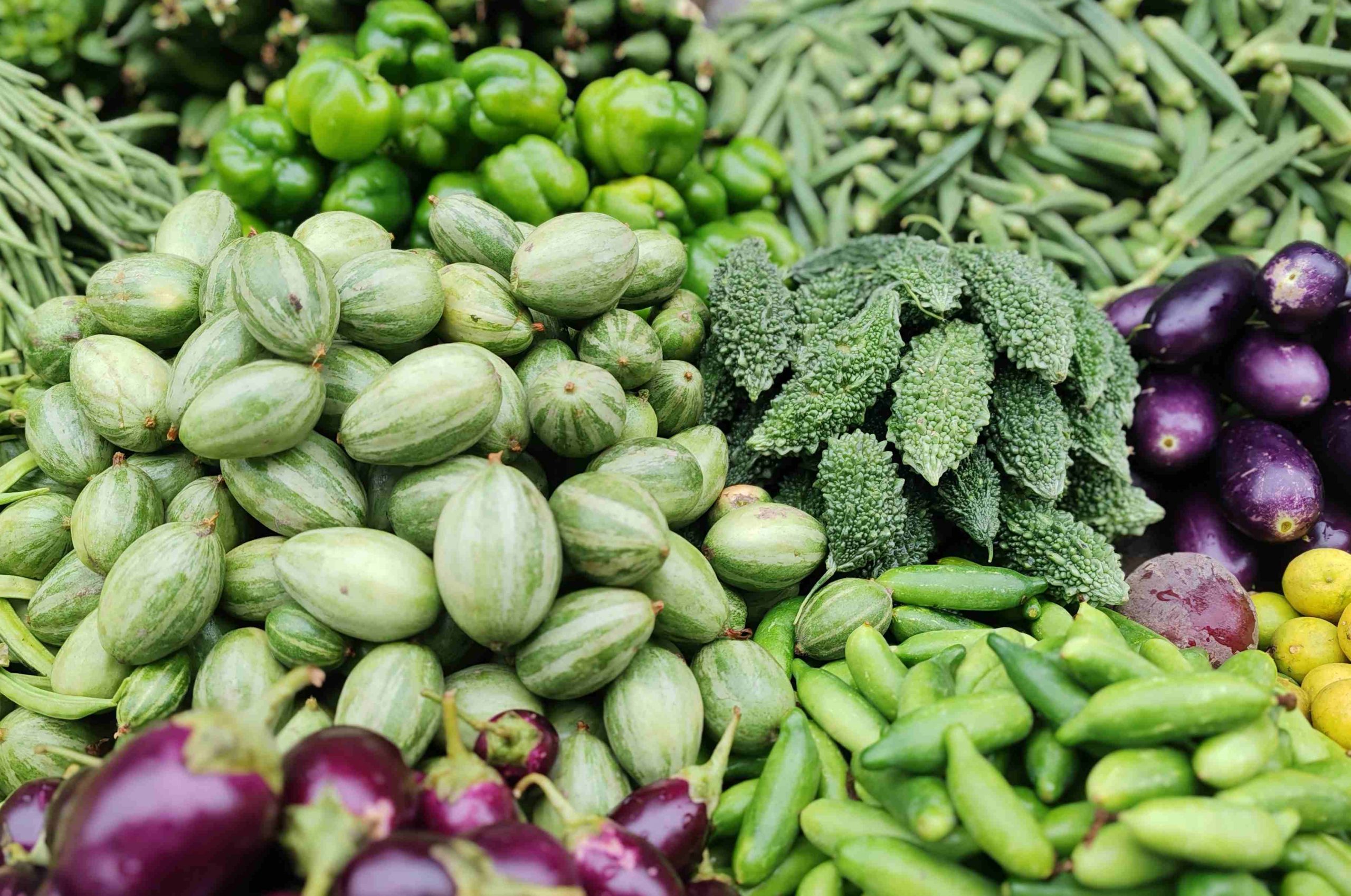
Green beans, peppers, okra, eggplant, potatoes, citrus fruits

Tropical produce mode
10–15°C
Mangoes, bananas, plantains, papayas, pineapples, tomatoes, avocados, pumpkins
Cooling Must Match the Product
Many tropical crops are damaged by excessive cooling. Mangoes, bananas, papayas, pineapples, tomatoes, cucumbers and eggplants should not simply be placed in a conventional 2°C cold room.
They require gentle cooling – often between 10°C and 15°C – combined with appropriate humidity control. This slows respiration and deterioration while avoiding chilling injury.
At the same time, very perishable crops such as leafy vegetables, broccoli, herbs and berries benefit enormously from rapid cooling to near 0°C.
And fish, of course!
But fish has much stronger restrictions on pull-down cycles and temperature ranges.
A Platform for Crop-Specific Configurations
So, ecoCoolStore can be configured around local production patterns:
- A vegetable collection store for tomatoes, peppers, cucumbers, beans and leafy crops
- A tropical-fruit store for mangoes, papayas, bananas and pineapples
- A fish and seafood unit requiring rapid pull-down and strict temperature control
- A seed, coffee and cocoa store focused on stable temperature and humidity rather than conventional refrigeration
- A market hub that receives mixed produce only for short-term consolidation before onward transport
The harvest is already valuable.
The right storage conditions help it remain valuable until it reaches the buyer.