From MicroPopCorn
to sustainable Fish Boxes
Once a local MicroPopCorn puffing line is in operation, it can do far more than supply insulation cores for ecoHAB panels.
It creates the basis for a second, immediate and high-volume product: insulated fish boxes made from the same lightweight, high-performance material concept.
Across many fisheries, fish is still transported in conventional expanded-polystyrene boxes. These boxes are often damaged after only a short period of use. They are difficult to recover, frequently discarded and can become a persistent source of plastic waste in ports, markets, waterways and coastal communities.
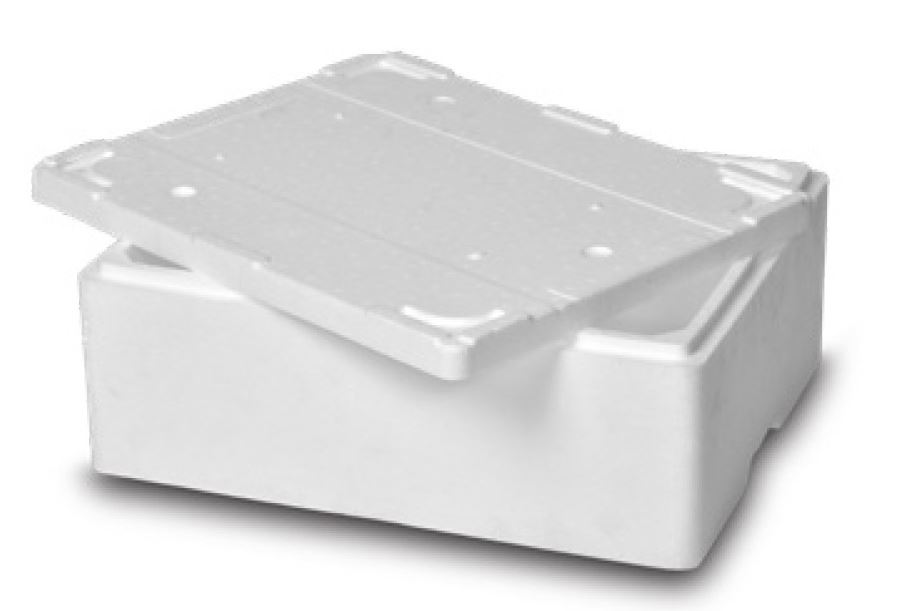
MicroPopCorn fish boxes offer a different path.
Built around the ecoHAB material approach, they are designed to combine strong insulation performance with a material composition containing up to 94% sustainable content. They can protect iced fish during landing, collection, transport and market distribution – while reducing dependence on disposable polystyrene packaging.
A Local Product for a Local Cold Chain
The opportunity is not only environmental. Local production of MicroPopCorn fish boxes can create a practical new manufacturing line alongside ecoCoolStore:
- A local market for MicroPopCorn raw materials
- Production employment in moulding, assembly, quality control and logistics
- Better insulated fish transport from landing site to market
- Lower dependence on imported disposable polystyrene boxes
- A future return, collection and reuse system for fish boxes
- A visible product that brings the ecoCoolStore material platform into everyday fisheries operations
The same technology that insulates a solar-powered cold store can also protect the fish inside it – from landing site to market.
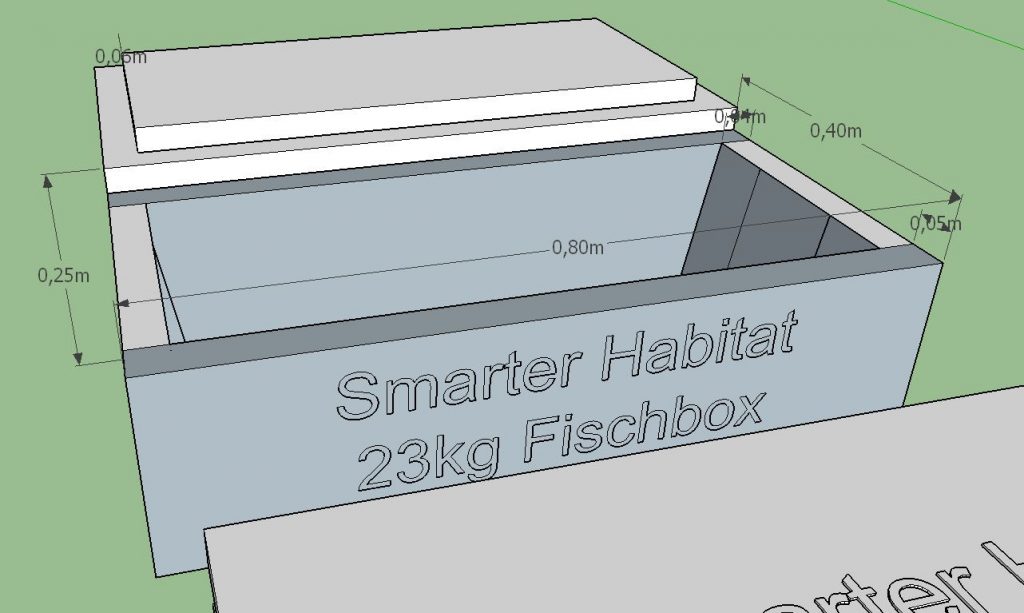
MicroPopCorn fish boxes are therefore not an accessory. They are a natural extension of the wider ecoCoolStore platform: local materials, local production, better cold-chain performance and less persistent waste.
Final box design, food-contact suitability, hygiene requirements, mechanical durability and the stated sustainable-material share will be verified for the specific production configuration and market.